










The global energy sector is going through a major transformation, which is utilized by businesses and governments adopting digital technologies for the improvement of power distribution, energy efficiency and customer engagement. One of the most vital developments for supporting the transformation is the Advanced Meetings Infrastructure, known as AMI.
At the centre of the AMI network is the smart electricity meter, which will collect detailed energy-consumption data and communicate, which will automatically get the use of the providers. Unlike conventional meters, smart meters will enable two-way communication, remote monitoring, faster billing, outage detection and will improve energy management.
The electricity demands continuous growth, utilities require more accurate, responsive and effective electricity metering solutions. Smart metering does help modernise traditional electricity networks and lay the foundation for more reliable, sustainable and customer-focused energy systems.
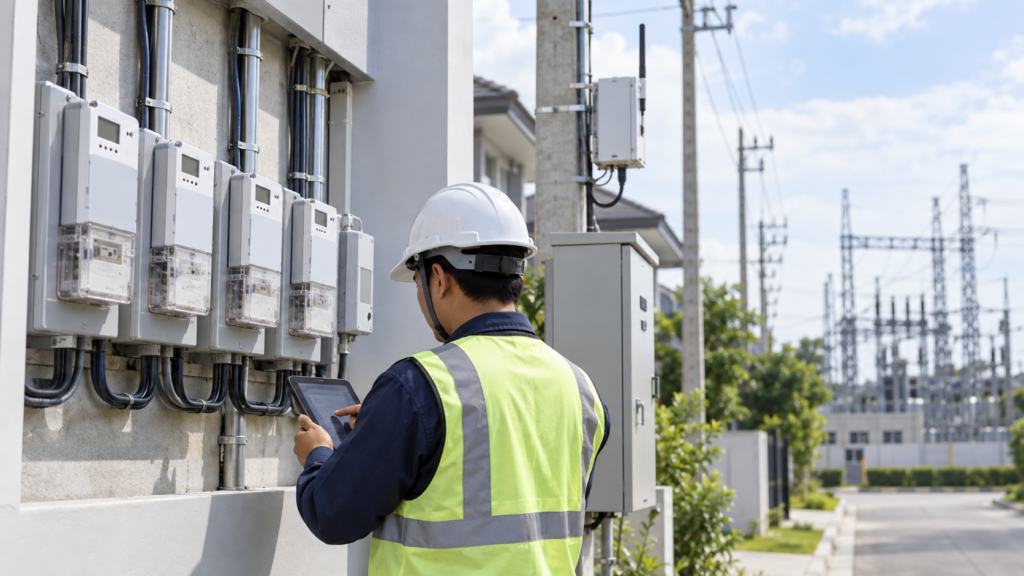
What is Advanced Metering Infrastructure?
Advanced Metering infrastructure is the integrated, enterprise-wide system of smart meters, communication networks, data-management platforms and use of the applications. These will enable the continuous, automated and two-way communication which is between electricity customers and utility providers. The traditional electricity meters generally require manual readings, which will provide basic aggregated information about the total energy consumption. The comparison of the AMI smart meter records electricity use for regular, highly granular intervals and transmits the information securely to the utility company.
Main Components of the AMI Ecosystems
The implementation of the full functional AMI ecosystem will commonly include a lot of keys in the interconnected components. These are:
- Smart electricity meters: Advanced edge devices installed on customer premises for measuring , recording, and will transmit the detailed electricity consumption data.
- Communication networks: The bidirectional transport layer using technologies like cellular networks, radio frequency, or wireless mesh networks.
- Meter data management systems (MDMS): The centralized software platforms which will be designed to store, validate, clean and process massive volumes of interval data.
- Use of billing platforms: The use of automated software systems will involve the validated meter data for generating highly accurate customer invoices.
- Customer information systems: Portals will provide customers with clear visibility into their energy and will perform predictive maintenance.
- Data analytics with monitoring software: Analytical engines will help to monitor system health and will perform predictive maintenance.
All of these components will be used to monitor the electricity consumption, detect irregularities, manage grid demand and also improve the total performance of the power distribution network.
The Importance of Smart Electricity in AMI
A smart electricity metering solution will serve as the main data source in the AMI systems. Without accurate and continuous meter data, the usage will not be fully benefited from the digital grid management. The smart electricity meter always measures electricity consumption with the communication of the data through different secure technologies. These will completely eliminate the requirement for manual meter readings and will provide usage of timely access to detailed customer information.
The Main Benefits of AMI Smart Metering in AMI
- Accurate and Automated Billing: One of the most required benefits of the MI smart meter is accurate billing. The conversational meters will frequently be read manually. This will result in the estimated bills, reading errors, delay in invoices or disputes. Smart meters always send verified consumption data to the provider. This ensures customers are billed according to the electricity used rather than the estimated.
- Real-time energy monitoring: Modern smart metering solutions allow the use which the customers to monitor their electricity usage more frequently. It depends on the system configuration; consumption of data might not get recorded every few minutes. It is the high level of visibility which will help the customer to identify the high-energy appliances, reduce unnecessary use and make informed decisions about their electricity use. The use will also use the real-time information for analyzing the demand patterns, to identify overload areas, which will improve energy distribution, supporting a more balanced and efficient electricity network.
- Improved Demand Management & Operations: An advanced electricity metering solution is always utilized with detailed informed consumption patterns. It allows them to use demand-response programmes, time-of-use tariffs and peak-pricing strategies, which will encourage off-peak use. Moreover, utilities will perform many remote operations like connecting or disconnecting services, updating the meter settings and diagnosing technical problems without sending a technician to the customer location. It will reduce the field visits and lower maintenance costs.
- Energy Theft and Tamper Detection: Smart meters will contain advanced monitoring features which will detect unusual consumption patterns, physical interference, reverse energy flow or unauthorised connections. The usage of data analytics with AMI utilities will help to identify suspicious activity more quickly and on the potential losses.
Conclusion
Smart electricity metering is the fundamental component of the Advanced Metering Infrastructure. Replacing traditional meters with the AMI smart meter, utilities will improve efficiency, reduce operational costs, and strengthen grid reliability, which will deliver services to customers. As the electricity networks will become more and decentralized increased important role in managing energy demand will be created, and a secure, sustainable, advanced electricity metering solution should play electricity systems for the future.
FAQs
What is the difference between the traditional electricity meter and the smart meter?
The traditional electricity meter records have total electricity consumption with the normal required manual reading. The smart meter records the consumptions with the regular intervals and automatically communicates the information to the utility provider.
How will the AMI smart meter communicate with the use of companies?
The AMI smart meter will communicate through cellular networks, radio frequency, power-line communication, wireless mesh networks or other secure communication technologies.
What are the main benefits of the Advanced Metering Infrastructure?
The main benefits of advanced metering infrastructure include accurate billing, remote meter reading, faster outage detection, improved demand management, energy-theft detection and better customer access for consumption data.
Are smart metering solutions secure?
Modern smart metering solutions use encryption, secure communication protocols, and access controls with the monitoring systems. But, utilities must make recent updates and will manage their cybersecurity practices for the protection of meter data and communication networks.