





Smart Metering Systems: Building a More Intelligent Energy Future
The smart meter is an advanced electronic devices are designed to measure and record electricity consumption with great accuracy, visibility and automation than a traditional meter. Instead of a simple display of collective energy use, modern smart metering systems collect detailed consumption data and communicate that information between customers, utilities and energy-management platforms.
Using communication technologies like GPRS, cellular networks, RF, Wi-Fi, and other connected technologies, smart meter systems help with automatic data transmission, remote monitoring, accurate billing, and better control of energy resources. All of these capabilities make smart meters an important part of modern advanced metering infrastructure and smart-grid development.
Shenzhen Xingyuan Intelligent Meter Co., Ltd has provided intelligent metering technologies designed to support utilities, commercial facilities, property managers, and other organisations that require reliable and connected energy-management solutions.
How Smart Metering Systems Work
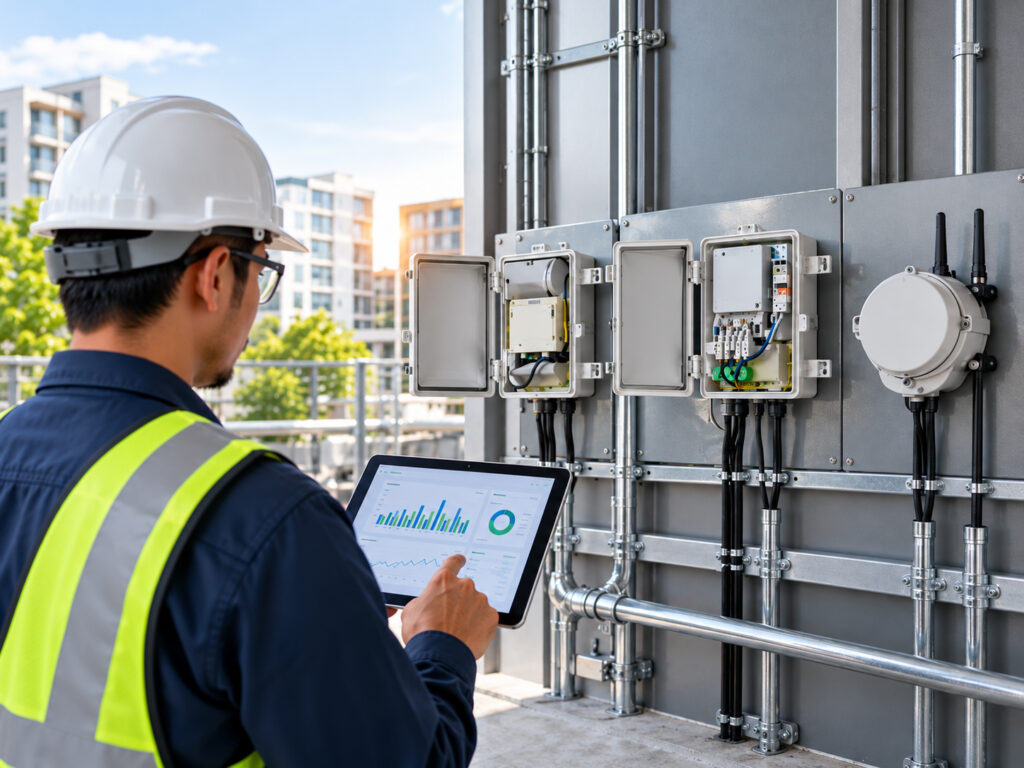
Traditional electricity meters generally record the total electricity usage and require periodic manual readings. By comparison, smart electricity meters automatically record consumption information and transmit data to the central management systems.
The two-way communication networks and data management are known as AMI systems, or advanced metering infrastructure systems.
Modern digital metering systems will provide utilities with much more than a simple electricity reading. They will become part of a wide data network used for monitoring, demand management, remote operations, and grid optimisation.
Benefits of Smart Metering for Consumers
One of the most important benefits of smart energy metering is improved visibility into electricity usage. Customers will have a better understanding of how and when electricity is being used instead of waiting for a monthly bill to understand their energy behaviour.
The appropriate meter readings will also help to reduce dependency on estimated billing. Since consumption information will be transmitted automatically, electricity bills will be calculated using actual recorded use according to the utility provider’s billing systems.
Detailed usage information will also help users to identify periods of higher electricity demand. For example, households will discover that air conditioners, water heaters, kitchen equipment, or ther high-power appliances account for significant portions of their electricity consumption.
Where utilities give time-of-use electricity tariffs, smart electricity meters will also help customers to understand peak and off-peak consumption times. Users will then choose to operate certain appliances during lower-cost periods when these are appropriate.
Smart metering technology will also support electric vehicle charging. Connected meter data will help to coordinate charging schedules and will allow users to benefit from applicable off-peak or EV-specific electricity tariffs.
Advantages for Utility Providers
For electricity providers, smart metering solutions will improve operational visibility, mainly of the distribution network. Utilities may use consumption information collected through AMI systems to understand the demand patterns across different areas. It helps to support better load planning and helps to identify locations experiencing unusually high electricity demand.
Smart meters will also support faster outage identification. It depends on the meter and network configuration; utilities will receive status information when electricity services are interrupted. It helps operators identify affected areas and organise restoration activities.
One more important advantage is remote management. Utilities will reduce the requirement for manual meter-reading visits and will perform supported operations through centralised systems.
All of these capabilities will help to improve efficiency, reduce certain field-service requirements, and simplify the management of large electricity-meter networks.
Advanced Metering Infrastructure and Smart Grids
Advanced metering infrastructure connects smart meters with communication networks, data-management software, and utility operating platforms.
Rather than operating as an isolated device, meters become intelligent endpoints within a connected energy network. This helps utilities collect large volumes of consumption information from residential, commercial, and industrial customers. The information will then support billing, demand forecasting, network analysis, energy management, and infrastructure planning.
With increasing use of renewables, distributed generation, battery storage, and electric vehicles by utilities, reliable smart metering systems can become an increasingly important component for achieving visibility in the power grid.
Smart Electricity and Smart Water Metering
Even though smart metering is mainly associated with electricity, similar technologies are also being implemented in water-management applications. Smart water metering allows utilities and property operators to monitor water consumption digitally and collect usage information remotely.
Modern smart water meters will help companies improve billing accuracy, understand consumption patterns, identify unusual usage, and improve management of water resources.
The combination of electricity and smart water metering technologies for cities, utilities, commercial properties, and residential developments will create more complete resource-management systems.
Intelligent Metering Solutions
Shenzhen Xingyuan Intelligent Meter Co., Ltd. develops connected metering technologies for modern energy-management requirements.
The solution supports professional metering and billing applications, which provide remote management capabilities and GPRS communication.
Combining measurement, communication, and control capabilities in a single device will make this type of technology suitable for property management, commercial facilities, landlords, energy-service providers, and utility applications.
Through modern smart metering solutions, companies will develop connected energy-management environments which improves visibility, automation, and operational control.
Conclusion
Smart meters are becoming the vital devices of modern utility infrastructure. Through accurate measurement, automatic communication, remote monitoring, and detailed consumption data, smart metering systems will provide meaningful advantages for customers, utilities, property managers, and businesses.
Technologies like smart energy metering, smart electricity meters, smart water meters, digital metering systems, advanced metering infrastructure, and AMI systems will help transform traditional utility networks into more connected and data-driven environments.
With intelligent metering technology from Shenzhen Xingyuan Intelligent Meter Co., Ltd., organisations will implement modern smart metering solutions designed to support efficient resource management, accurate monitoring, and continued development of smarter energy infrastructure.
FAQs
What is a smart metering system?
A smart metering system is a connected metering solutions which are automatically measures energy or utility consumption and communicates the recorded information to the central platform. It supports remote monitoring, billing, consumption analysis, and other utility management functions.
What is Advanced Metering Infrastructure?
Advanced metering infrastructure refers to the entire system used to connect smart meters, communication technology, data management software, and utility company systems. AMI solutions allow for two-way communication from smart meters to the utility company.
How are smart electricity meters different from regular meters?
Regular electricity meters usually register the total amount of electricity used and often require manual meter reading. However, smart electricity meters have the ability to automatically collect and send data on electricity usage.
Can smart metering be done for water consumption?
Yes. Smart water metering involves the use of smart water meters that monitor the water consumed and provide data on the usage remotely.